U-factor
Available on select thermally broken configurations; exact whole-unit value confirmed for the quoted unit
Performance
Performance is evaluated for the actual configuration, size, glass, hardware, exposure and installation approach—not assumed from a product name.
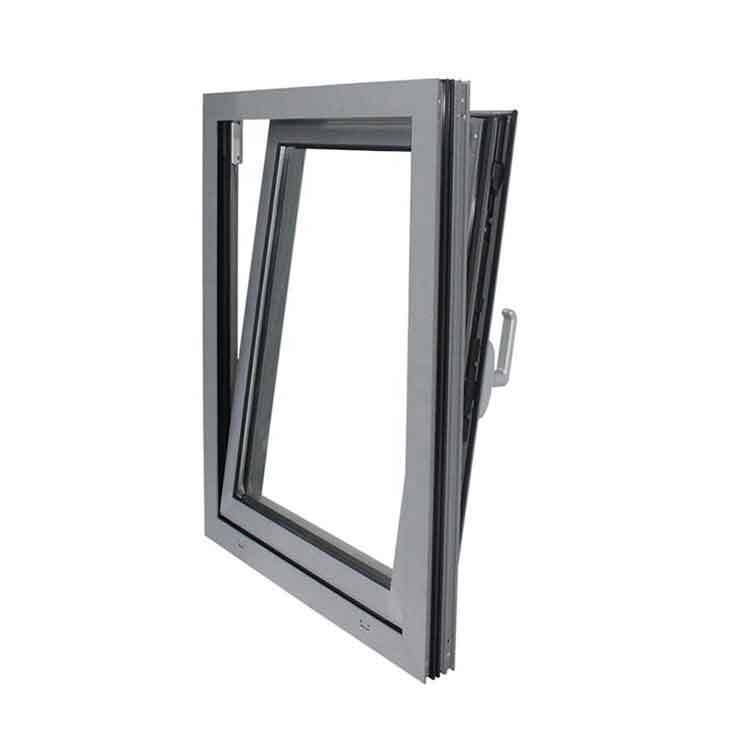
Available performance data
Selected available systems have configuration-specific performance evidence—not just a general product-family claim. These values become project claims only after the proposed unit is matched to the supporting documents.
Available on select thermally broken configurations; exact whole-unit value confirmed for the quoted unit
Solar-control choices shown across reviewed listed glass configurations
Visible-transmittance examples for balancing daylight and solar control
Impact-resistant horizontal-slider approval for HVHZ and non-HVHZ use
Additional reviewed NFRC examples show condensation-resistance values around 29-31. Lower U-factor indicates less heat transfer; SHGC and visible transmittance are selected around climate, orientation, comfort, and daylight goals.
Who measures what
Select thermally broken configurations can reach U-factors as low as 0.13. When NFRC directory or label information is required, the product code, operator type, glass, size, and listing conditions are matched separately.
An available impact-resistant horizontal-slider configuration carries Florida approval for High-Velocity Hurricane Zone and non-HVHZ use at +55/-55 psf design pressure.
North American fenestration standards separate design pressure from full performance grade. BelleVier asks for the exact test report, standard edition, operator type, size, glass, and anchorage before representing a result.
Premium aluminum, proven here
The meaningful comparison is product to product: same operator type, size, glass, test method, and installation basis. Selected available configurations carry credible North American thermal and impact data, so BelleVier can compete on published evidence while being precise about the exact package.
Compare frame platformsWhat gets reviewed
BelleVier helps assemble the product information available for the selected product, glass and hardware package so your project team can evaluate fit.
Insulated aluminum profile options use reinforced thermal barriers to reduce direct heat transfer through the frame.
Multi-point locks, compression seals, EPDM gaskets, sill design and drainage paths work together at the selected opening type.
Insulating, tempered, laminated, low-E, tinted, privacy and acoustic glazing can be combined around project goals.
Low-E coatings, tint, orientation and exterior shading can be coordinated to manage heat gain and visible light.
Roller, hinge, lock and handle packages are selected around panel size, weight, exposure and expected use.
Available NFRC, NAFS/AAMA, impact, water, air and structural documentation is matched to the exact proposed configuration where applicable.
Documentation before claims
Requested performance criteria should be identified early. BelleVier can coordinate available documentation for the proposed unit configuration; the design professional and code authority remain responsible for project requirements and acceptance.
Discuss project criteriaQuick answers
For matched configurations, BelleVier can coordinate the applicable NFRC directory and label information. The product code, operator type, glass, size, and other listing conditions must match the proposed unit.
Yes. An available horizontal-slider configuration has Florida approval for impact resistance, HVHZ use, and +55/-55 psf design pressure. Project location, opening size, glass, anchorage, substrate, and installation must match the approval documents.
No. Ratings are configuration-specific. BelleVier confirms the applicable documentation for the selected frame, operator type, size, glass, hardware, sill, reinforcement, anchorage, and installation basis.
Start with your plans
Send a plan set, rough opening list, or even an early concept. We'll help identify the right next step.